Tourism in Prado Centro, Medellín: The Complete Guide to Discovering the City’s Historic Heritage District

Prado Centro is one of Medellín’s most fascinating tourist destinations and, at the same time, one of the city’s best-kept secrets. Recognized as Medellín’s only officially designated heritage neighborhood, this historic district offers visitors a unique opportunity to explore the city’s architectural, cultural, and historical evolution while enjoying a vibrant contemporary arts and culinary scene.

Walking through Prado Centro is much more than sightseeing; it is a journey back to the early twentieth century, when Medellín emerged as Colombia’s industrial powerhouse. Grand mansions inspired by European architectural styles, elegant tree-lined avenues, historic cultural institutions, restored heritage buildings, and innovative artistic spaces coexist harmoniously, creating an unforgettable experience for travelers interested in history, architecture, and local culture.

This comprehensive guide explores the history of Prado Centro, its remarkable architecture, its most important tourist attractions—including the Egyptian Palace, Salón Prado, Casa Río, Casa Tres Patios, and Águila Descalza Theatre—along with practical travel tips, transportation options, gastronomic experiences, suggested itineraries, and recommendations for sustainable tourism.

Whether you are visiting Medellín for the first time or looking to discover a different side of Colombia’s City of Eternal Spring, Prado Centro offers an authentic cultural experience that combines heritage preservation, artistic innovation, and urban renewal into one extraordinary destination.

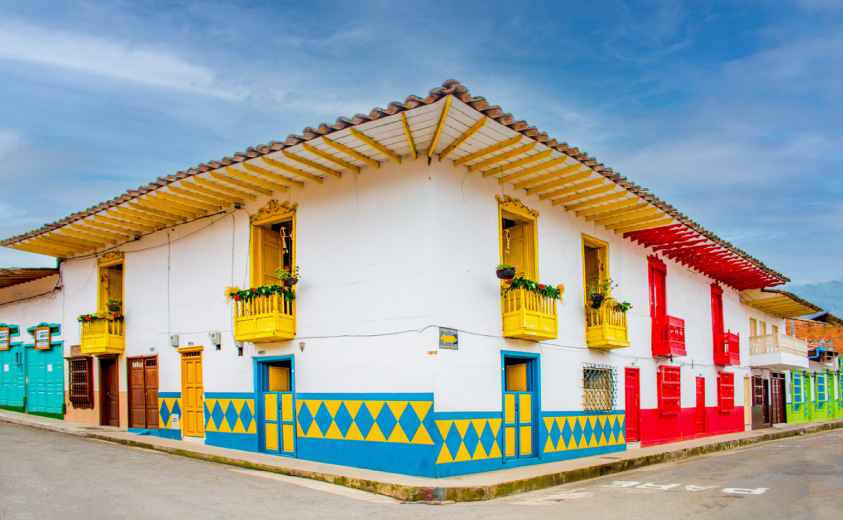
Mompox: a niche-travel guide to experience Colombia’s “City of God” without rushing
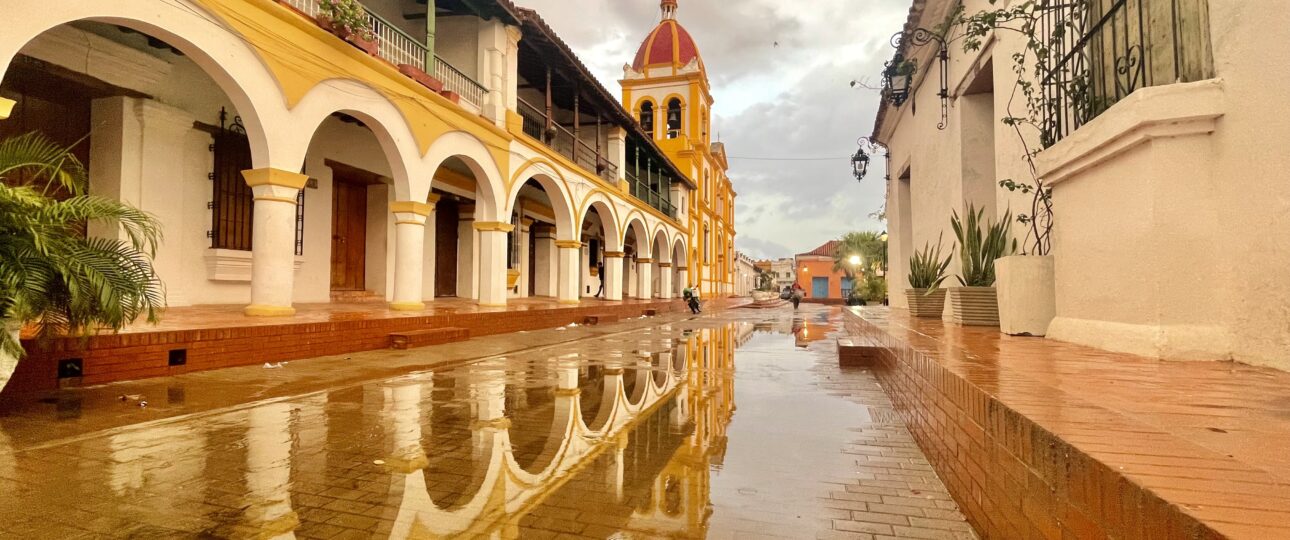
Santa Cruz de Mompox (Bolívar, Colombia) is a high-value niche destination built on heritage, ritual, craftsmanship, and river life. Its historic center was inscribed as a UNESCO World Heritage Site in 1995, and it also belongs to Colombia’s Heritage Towns Tourism Network (since 2010), reinforcing its conservation-driven cultural positioning. Mompox rewards slow travel: walk La Albarrada along the Magdalena River, explore churches and plazas such as Santa Bárbara, engage with local artisans, and experience the town’s atmosphere without rushing. During key seasons the destination transforms—Holy Week offers solemn processions and living tradition of major cultural relevance, while the Jazz Festival adds a contemporary layer that attracts cultural travelers beyond religious tourism. For low-intensity nature lovers, Ciénaga de Pijiño delivers wetland landscapes with opportunities for birdwatching and wildlife photography. Access can be by road through regional connections, by air via San Bernardo Airport (availability varies, so verify before booking), or as part of river-based itineraries that position Mompox within broader Magdalena travel narratives. Ultimately, Mompox is not a place to “check off.” It’s a place to inhabit—observe, slow down, and leave with a real story.

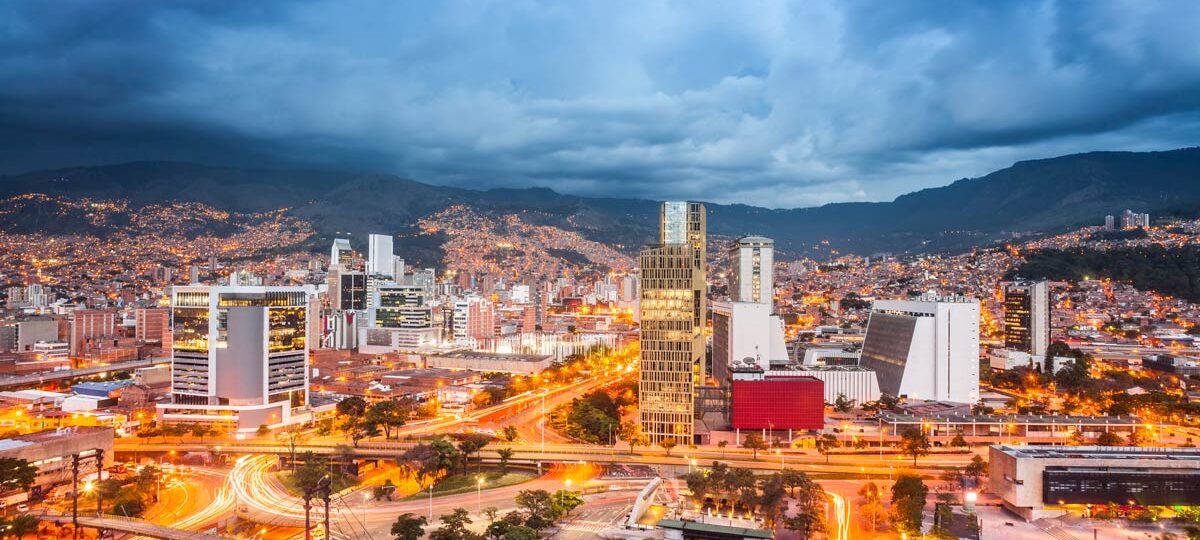
Medellín 350 years: a city illuminated by history

On November 2, 1675, the Villa de Nuestra Señora de la Candelaria de Medellín was founded.Since then, Medellín has been a stage of deep transformations, stories of resilience, urban creativity, popular culture, innovation, and collective dreams.Today, 350 years later, every neighborhood, every street, every square, …

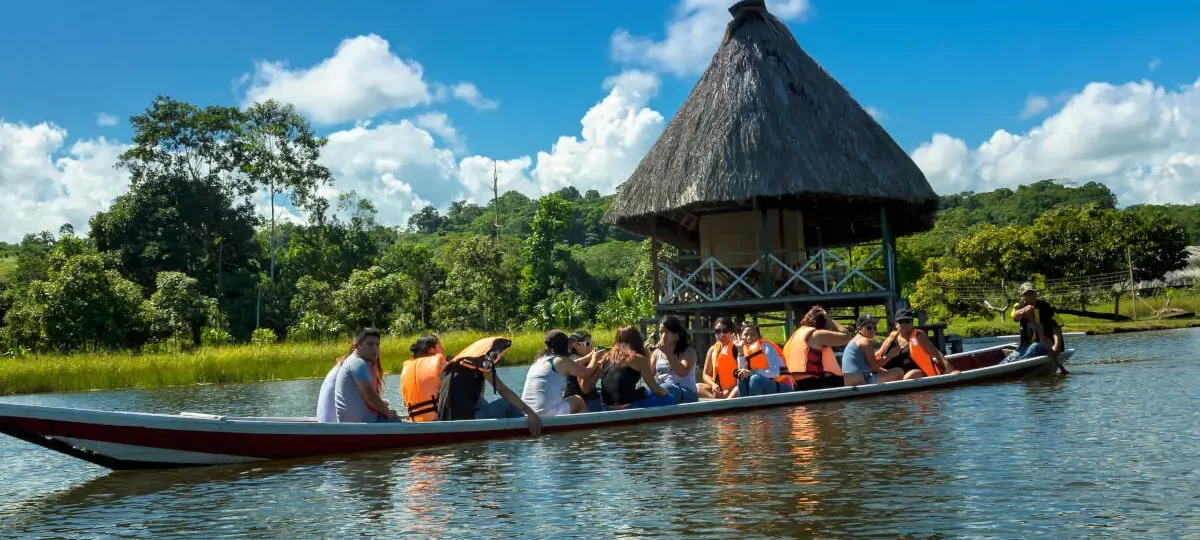
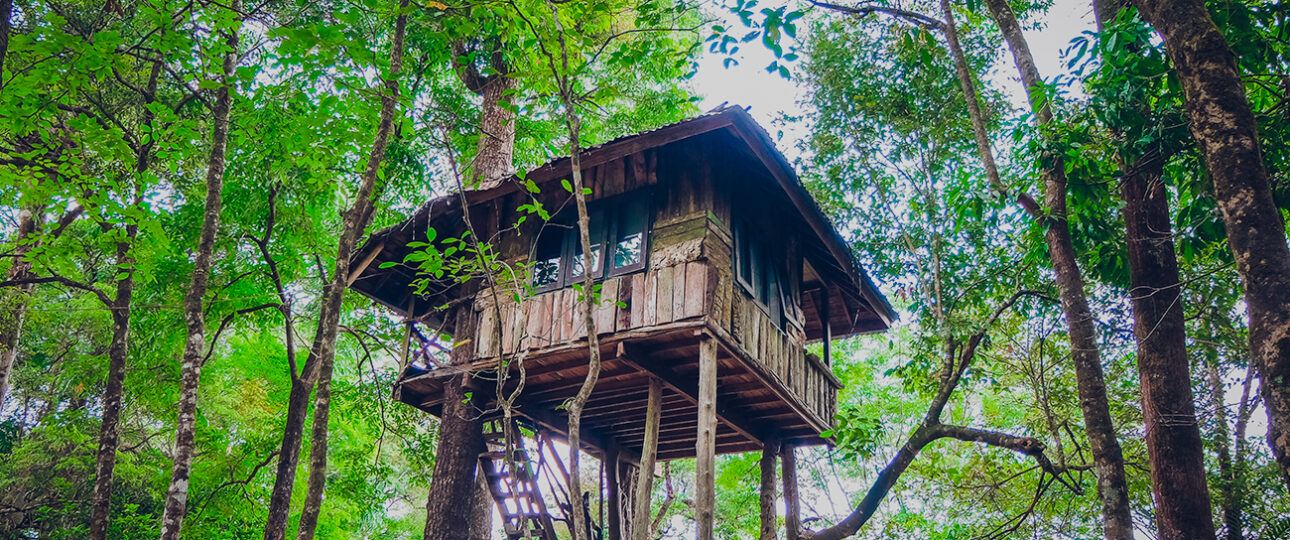
CAN YOU IMAGINE WHAT IT WOULD BE LIKE TO SLEEP IN A TREE HOUSE?

The treehouse sleeping experience can be complemented with canopy climbing, which involves climbing from one treetop to another at heights of 20 or 30 meters. You can also do activities such as: Very close to Leticia, in the Amazonas department, you can experience treehouse sleeping. …